This website received the AnySurfer label, a quality mark for accessible websites in Belgium. For more information, please visit www.anysurfer.be.
| Childhood, youth and family | Education, employment & training | Events, culture, sport & leisure | History & folklore | Town planning & housing | Environment & cleanliness |
| District contracts | Social & health | Public works & mobility | Prevention & safety | Participation & citizenship | Trade, economy & finance | Europe & international |
This page has been automatically translated from French into English by a translation software. Automatic translations are not as accurate as translations made by professional human translators. Nevertheless these pages can help you understand information published by the City of Brussels.
This collection includes the archives of the legislative power and the executives of the City.
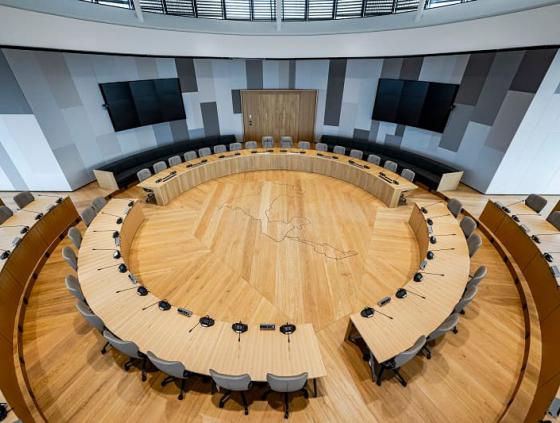
This means the Office of the Mayor and the Aldermen, the Secretariat of the City and the Assemblies.
This department manages services so varied as that of Legal affairs, Protocols, the Public relations, the House of participation and citizenship, the Eco-Advice, the Staff.
The management of the heritage is a source for studying the evolution of the City from the point of view of architecture, of town planning, of trade, of culture or hygiene. This collection represents slaughterhouses, markets, public baths, fire stations, schools, certain theaters,...
The collection of Finances is one of the most important of the Archives, both by the quantity of the documents and by their interest. This collection is the faithful reflection of the economic life of Brussels: the payment for the civil servants, the payment of invoices to the suppliers, the management of subsidies and debt, collection of taxes,...
This department includes the Central Secretariat of the Demography Department, the Registry office, the administration of the Foreigners, and the Population service.
This collection is essentially established by electoral rolls since 1830 until our days.
The collection of the 'militia' includes essentially information of bibliographic order (registrations, drawing lots, militiamen in leave, deserters and objectors) and medical (exemptions, Council of Militia). This information is a gold mine for the genealogists and for military historians.
The archives of the Police are a source of very precious information for a large number of economic and social activities of the Brusselses.The police controls (or controlled) markets, hotels, prostitution, public hygiene, factories, shows, foreigners, anarchists or communists.
Internal service for the Protection and the prevention at Work (S.I.P.P.T).
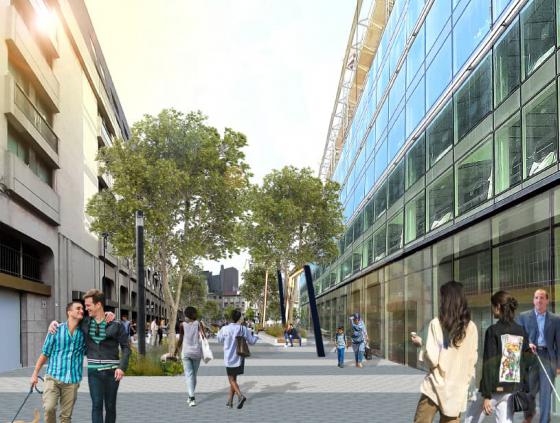
The archives of the Public works are essentially established by building permits and plans about public roads and Brussels buildings.
The archives of Public education are of big importance for the knowledge of the Brussels cultural and school life. It allows to follow the evolution of the various levels of education since the end of the 18th century (including the Academy of Arts).
The major part of these files concerns three Brussels theatres (La Monnaie, Le Parc and the Koninglijke Vlaamse Schouwburg).
The collection of Sports is about measures taken by the municipal administration of Brussels since the end of the Second World war to promote the sports activities and multiply the sports installations in Brussels.
The collection of Youth is about measures taken by the municipal administration of Brussels in the second half of the 20th century to promote leisure activities for young people.
The collection of Social affairs is about measures of social work taken by the municipal administration of Brussels since the second half of the 19th century. These were measures for victims of disasters, insane persons, the needy, the discriminated, disabled and old persons, the victims of both world wars, young people,...
The collection of public charity is about measures of social work taken by the municipal administration of Brussels since the end of the 18th century in favour of the needy and discriminated inhabitants.
The collection of religions treats religious practices and the relations between the municipal authority and the various religions recognized during French period. It contains information on churches, convents and buildings of worship installed on the territory of the city.
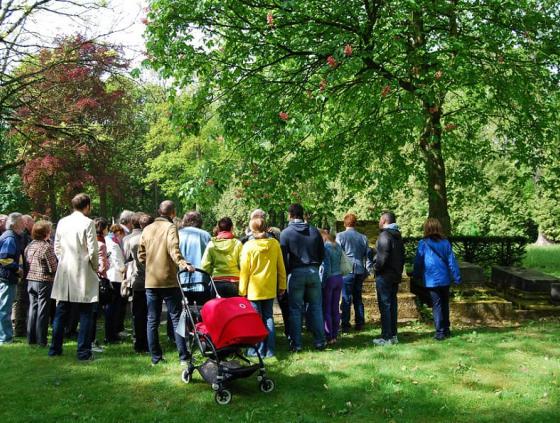
The information contained in the registers of burials is interesting from a demographic and sociological point of view. We also find the plans of cemeteries here.
Archives
Rue des Tanneurs 65
1000 Brussels
[plan]
Tel. : 02 279 53 20
Fax : 02 279 53 29
archieven@brucity.be
http://archives.bruxelles.be
Opening hours : from Monday to Friday from 8 am to 4 pm