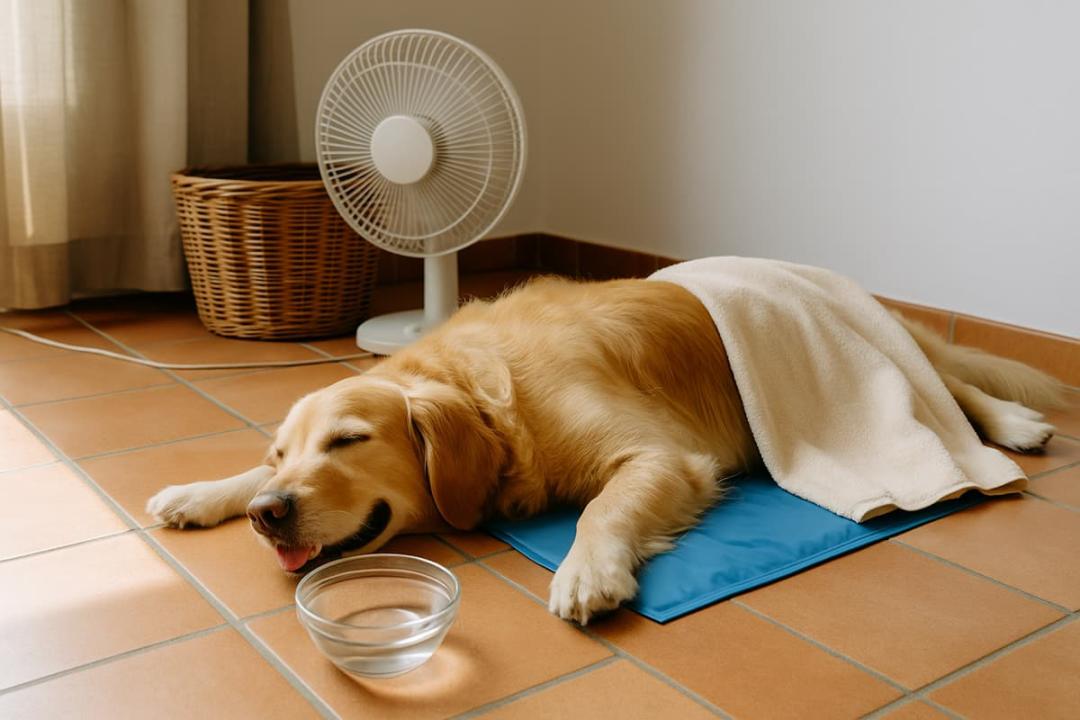
The City of Brussels gives some essential recommendations for the well-being of pets during periods of extreme heat. Whether dogs, cats or other pets, high temperatures can lead to serious health problems, sometimes even fatal.
Never leave an animal in a stationary car
Not even for a few minutes, not even in the shade, not even with the windows open. The temperature inside a vehicle rises at lightning speed and can be lethal.
Provide access to cool areas in the house
Keep curtains or blinds closed and give your pet access to tiled areas (such as the bathroom or kitchen), which are naturally cooler.
Tip: use a cooling mat from the pet shop, or place a bottle of water in the freezer, wrap it in a towel and place it in your pet's basket.
Always provide fresh drinking water
Provide several drinking spots in the house and change the water regularly so it stays cool (but not ice cold).
Tip: if your animal has difficulty drinking, add a little beef broth (for dogs) or tuna juice (for cats) to the water.
Dogs are especially sensitive to heat. Take the precautions below to keep your dog safe:
Refresh your dog
- A wet towel over the back: simple and effective at home, on the road or at the beach.
- A wet flannel on head, neck, belly and paws: this helps to slowly lower body temperature.
- Use a diffuser: a fine mist can be particularly relieving - provided your dog allows it.
- Cooling mat: ideal for indoors or outdoors, or in the transport cage during car journeys.
- Take care with cold water or ice cubes: no ice showers, and certainly no ice cubes in the drinking bowl (choking hazard). Let them melt first.
Special material
Summer jacket for dogs: lightweight, comfortable jackets provide cooling for up to 10 hours.
Tailored drinking utensils: collapsible bowls, thermal cups and special bottles for on the go.
A cool and safe environment
Let your dog rest in a well-ventilated, cool room. Avoid access to dangerous substances such as detergents, medicines, chocolate, garden products,...
If a fan is used, make sure it does not cause stress or make too much noise.
Adapted walking times
Walk only during the coolest times of the day: early in the morning or later in the evening.
Avoid asphalt and sand in the hottest part of the day: these can burn the soles of the feet.
Limit physical exertion: playing, running or intense activity can be dangerous.
- Heavy or irregular breathing
- Excessive saliva production
- Red mucous membranes
- Vomiting or diarrhoea
- Trembling, fainting, coordination problems
- Body temperature rising dangerously
If in doubt: contact a vet immediately. This is an emergency.
Wild animals also suffer from extreme heat: birds, hedgehogs, bees, pollinating insects,... Even in the city, they need cooling and water.
Here are some simple actions you can take in your garden, balcony or neighbourhood:
Provide water for birds
Place a shallow bowl of water in the shade, on a windowsill, terrace or in the garden.
Change the water daily to avoid mosquitoes and ensure clean water.
Consider small mammals
Hedgehogs, squirrels and other small animals find it difficult to access water during hot periods.
Place a low water dish on the ground in a quiet corner of your garden.
Help pollinators
Bees and other beneficial insects are also thirsty.
Place a shallow dish of water with small stones or corks so they can land safely without drowning.
Maintain shaded areas
Limit grass cutting and removal of tall grass during a heatwave: these areas provide natural hiding places for insects and small animals.