In summer, the city gets hotter than the countryside: this is known as the urban heat island effect. Buildings, concrete and tarmac absorb heat during the day and release it at night. As a result, temperatures can be up to 10°C higher in certain neighbourhoods of Brussels.
Several factors strengthen this phenomenon:
- a high proportion of hard surfaces (concrete, stone, asphalt)
- narrow streets where air circulation is poor
- a lack of vegetation
- heat generated by cars, human activities or air conditioning
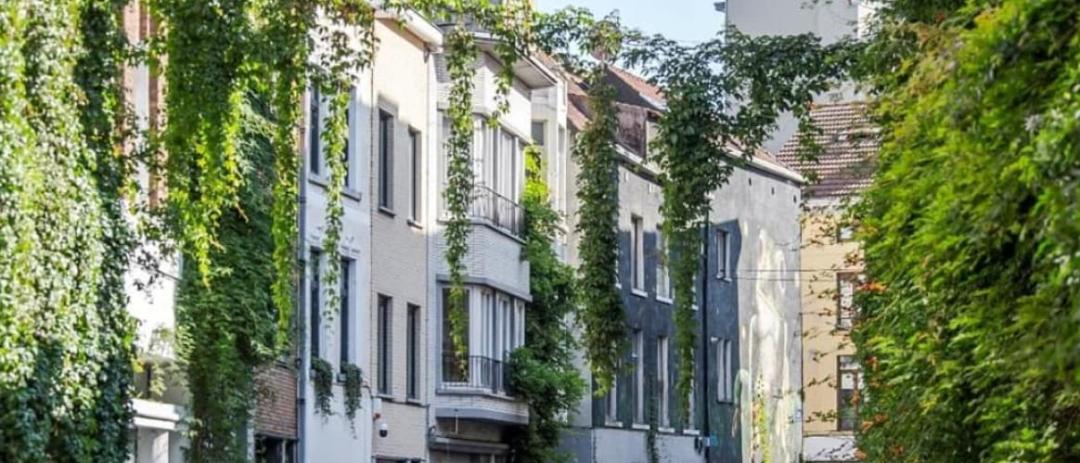
To address this challenge, the City of Brussels is developing initiatives to create more cooling islands in public spaces. Several approaches can be combined: more vegetation, more water, more shade, more suitable materials and designs that allow air to circulate.
These solutions not only improve the temperature, but also quality of life, biodiversity and the resilience of the city to climate change.
Recommendations and catalogue of solutions
The City has carried out a UCI study (12.39 MB) to better understand the impact of urban heat islands and has compiled a catalogue of the most effective solutions for cooling public spaces and improving the comfort of residents.
Want a quick overview?
Take a look at the summary sheets:
UCI catalogue - summary sheets (in French)
They provide a simple comparison of the different solutions.
Want to go a step further?
The technical data sheets detail all the execution issues and can help in choosing the best solutions for outdoor space redevelopment or building works:
UCI catalogue - technical data sheets (9.47 MB) (in French)